Indianapolis Foundation Co. connects you with a local specialist for the metro's whole failure chain: piering from $1,200/pier for settlement, wall restraint from $2,500, crack injection from $400, drainage from $2,500, and slab leveling from $500, every scope best preceded by a measured evaluation.
Foundation Piering & Underpinning
Load carried below the till and the builder fill: steel piers that end settlement for good.
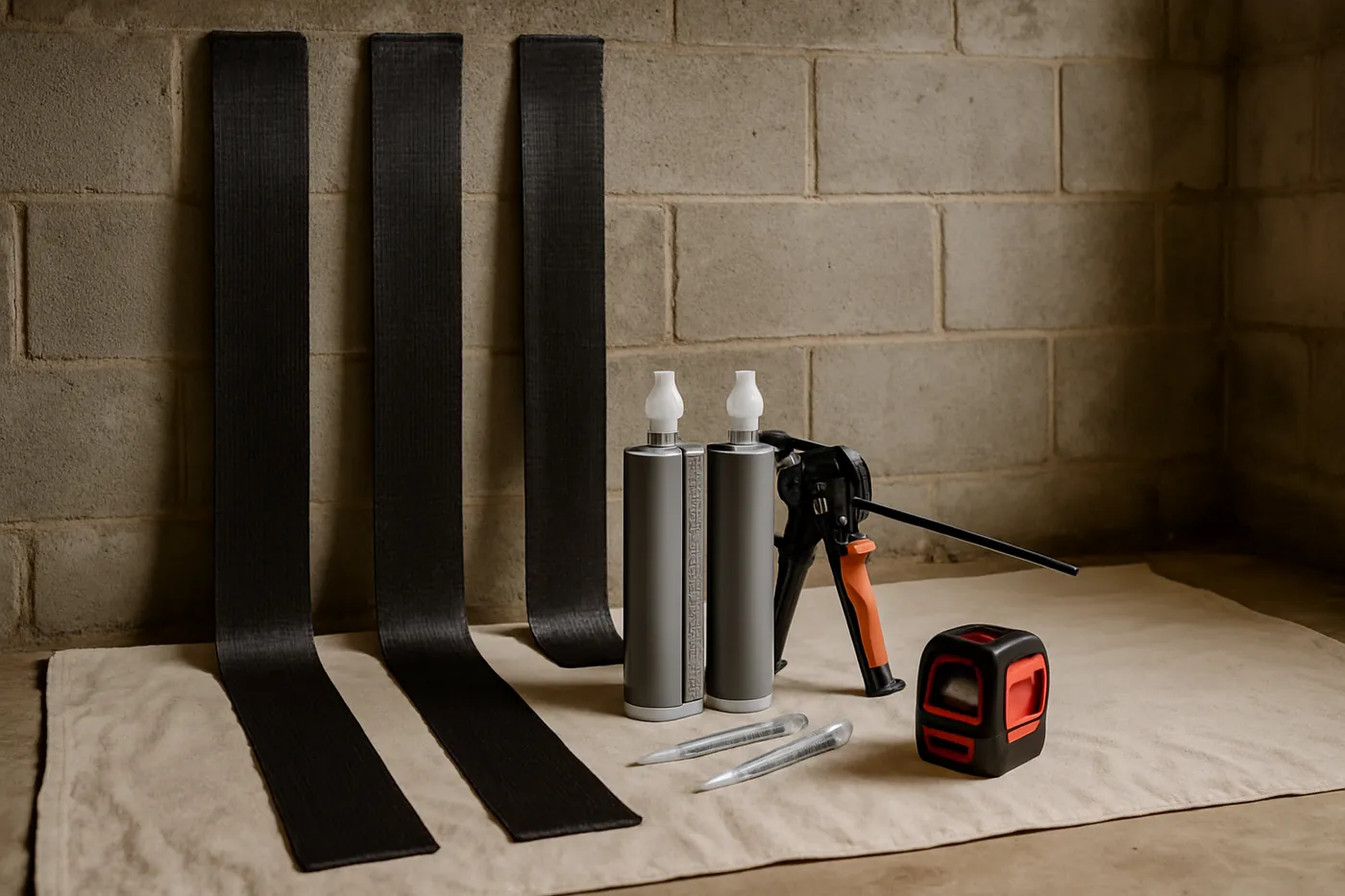
Bowing Basement Wall Repair
Restraint for block walls losing to wet-till pressure: straps, anchors, and steel.
Foundation Crack Repair
Injection and stitching for cracks that leak, grow, or reopen every winter.
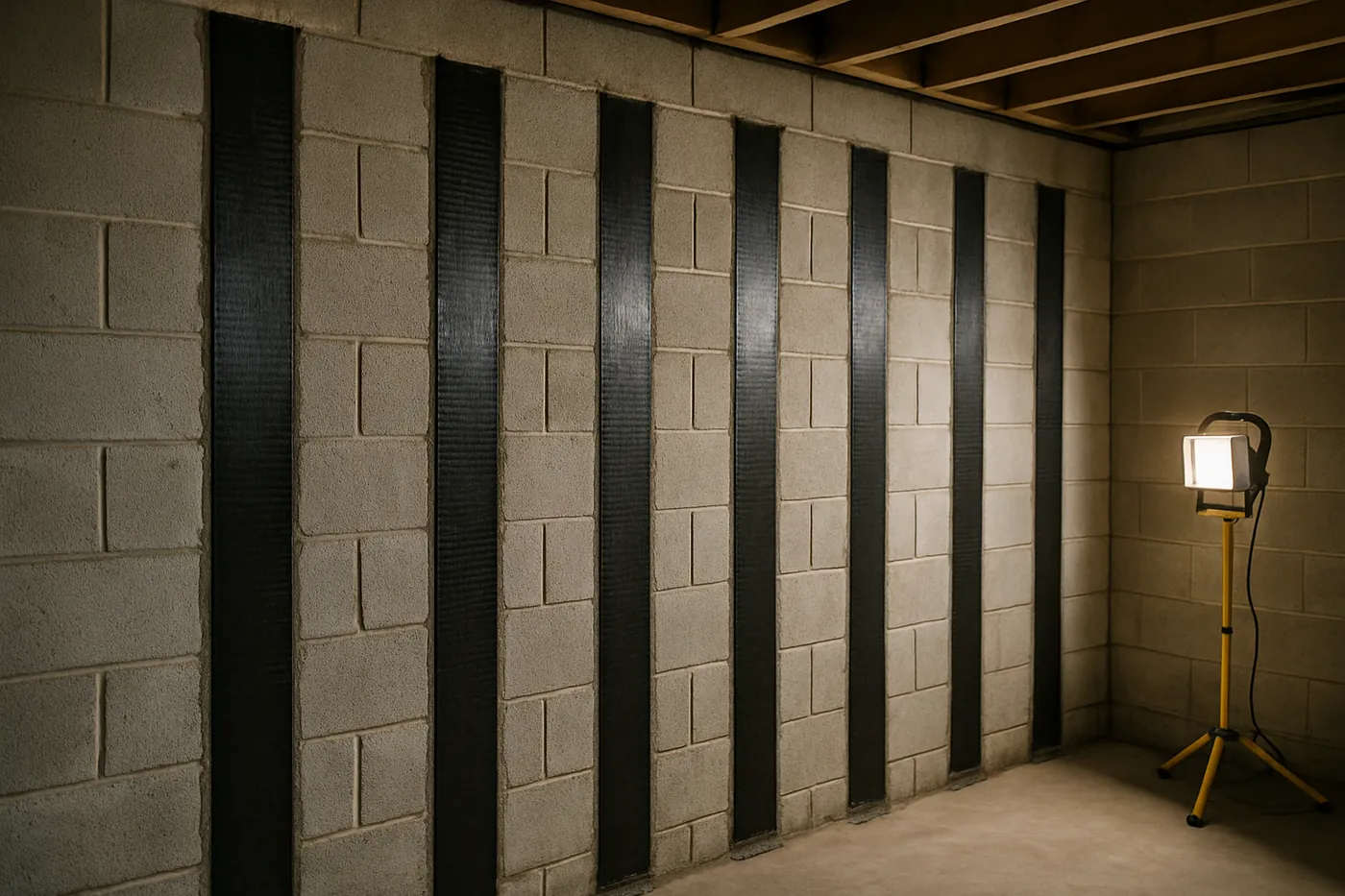
Basement Waterproofing
Flat-ground water engineering: drainage, sumps, and discharge that actually works here.
Concrete Leveling
Slabs heaved by winter and slumped by spring, floated back to grade in an afternoon.
Foundation Settlement Repair
On saturated till, settlement is a water story: measured diagnosis, then piers to dry bearing.
Helical Piers vs Push Piers
Pre-war brick or slab-era ranch decides the steel, and the till decides the depth.
Exterior vs Interior Waterproofing
Till holds water at the wall, where the system belongs in an Indy basement.
Insurance & Foundation Repair
Indiana’s earth-movement exclusion, the sump-failure question, and the burst-pipe exception.
Structural Engineer or Contractor?
When a stamped opinion earns its fee in Indy, and when the measured survey answers.
Cost Guide: Indy Repair Prices Explained
Every repair priced for this metro, the factors that move quotes, and how to compare bids fairly.
Sequence is the service
Anyone can install an anchor. The Indy skill is ordering the work so it stays fixed: water managed before steel goes in (or the till just reloads), structure stabilized before finishes are repaired, cosmetics last, once the movement is provably over. Ask for a scope written in that order with a price on each line, and with no lines the measurements don't justify.
Which repair fixes which failure
| What you see | The till mechanism | The fix | Typical range | Time |
|---|---|---|---|---|
| Settlement cracks, sticking doors, sloped floors | Footing losing support in wet/dry till cycles | Piers to refusal strata | $4,000–$15,000 | 2 days–1 week |
| Horizontal wall crack, inward bulge | Saturated till + winter ice expansion (~9%) | Restraint after water control | $2,500–$10,000 | 1–2 days |
| Cracks leaking or growing | Seasonal movement in brick or poured stock | Matched-material injection | $400–$1,500 | Hours |
| Wet basement, damp walls | Slow-draining till holding water at the wall | Interior drainage + freeze-safe discharge | $2,500–$8,000 | 1–3 days |
| Sunken driveway/apron/walk panels | Backfill consolidating + frost heave at edges | Polyurethane lifting | $500–$2,500 | Hours |
Two or more symptoms usually share one cause. Scoping them in one evaluation is how the fix holds, and how you avoid paying two mobilizations for one clay problem.
Pre-war basement or slab-era suburb: two different patients
Indianapolis splits its housing stock down the middle, and the split decides what an evaluation looks for. The pre-war ring (full basements under brick, some foundations pushing a century) presents wall and water problems first: tall unreinforced walls against till, masonry that telegraphs every seasonal move, repairs that must respect old brick while restraining it. The slab-era suburbs present settlement first: shallower foundations on till and fill, movement that shows up as racked doors and cracked tile within a season or two of a wet year. Same soil, different patients, which is why a good evaluation reads the house's era before it reads the crack.
Service questions
How do I know which of these services my house needs?
You don't have to. That's the evaluation's job. An hour of measurement (floor levels, wall deflection, crack log, water walk) usually collapses the menu to one or two lines. Horizontal cracking points at restraint; racking doors with slope point at piers; spring water points at drainage; and plenty of houses just need monitoring.
Why does a foundation company talk so much about water?
Because in this metro water is the perpetrator and the structure is the victim. Glacial till holds moisture against foundations on ground too flat to shed it: manage that and walls stop loading, footings stop cycling, and half the structural menu becomes unnecessary. Better to buy a drain than a wall rebuild.
Do evaluations cost anything?
Often not: many local specialists don't charge for the evaluation, but it depends on the company, so ask when they call. Ask for it measured, photographed, and written up. If the honest answer is 'watch it,' the report says that, with a dated baseline to watch against.
Get an Indianapolis foundation evaluation
Tell us what the house is doing (cracks, a bowing wall, doors out of square, a wet basement) and we'll pass your request on for an evaluation. A local specialist who works in Indianapolis will call you back.