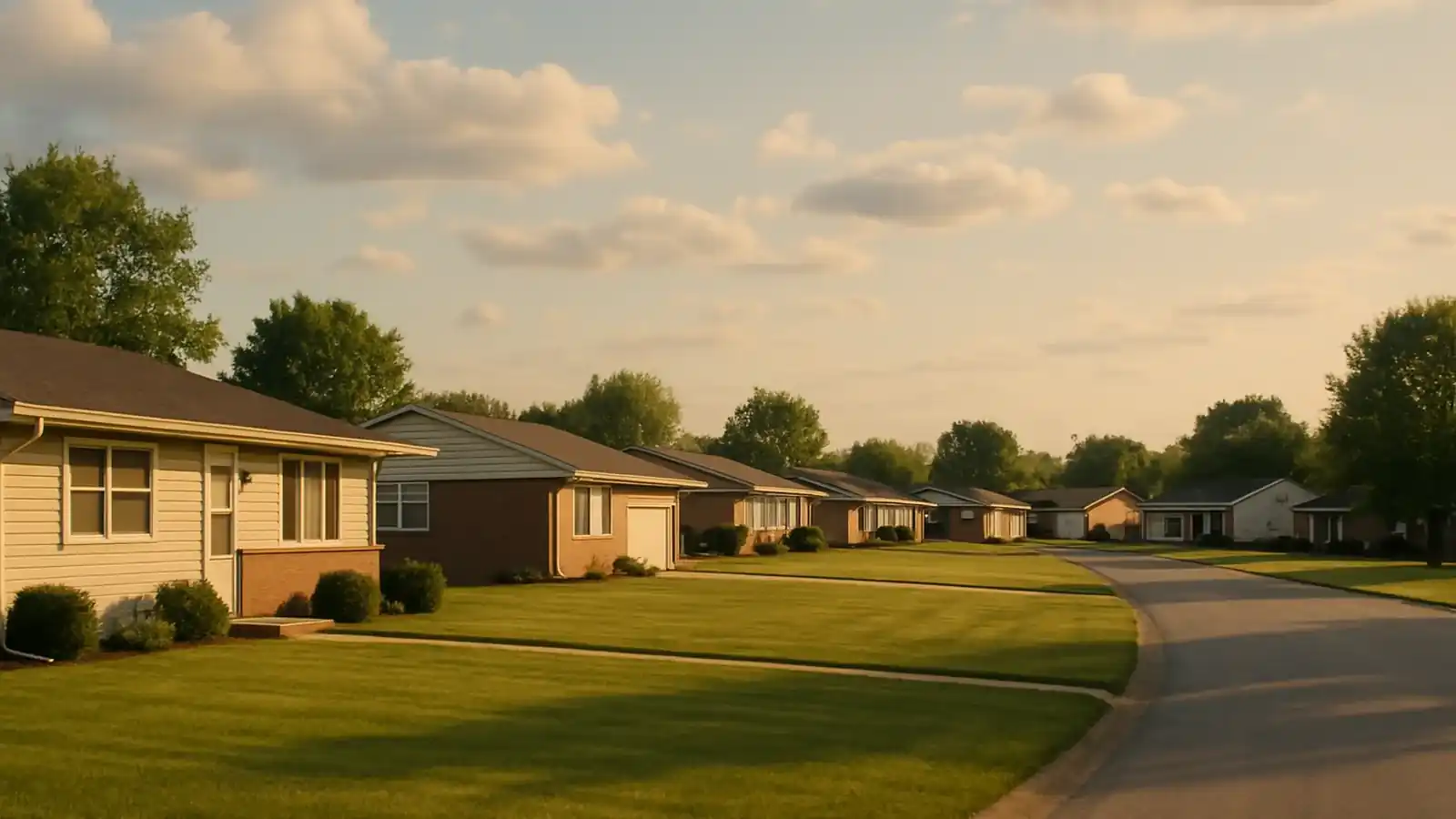
Indianapolis Foundation Co. serves Indianapolis plus Carmel, Fishers, Greenwood, Lawrence, Speedway, Beech Grove, Plainfield, Brownsburg, and Avon: measured evaluations across the metro, with one independent local specialist per request.
Choose your community
CarmelFishersGreenwoodLawrenceSpeedwayBeech GrovePlainfieldBrownsburgAvon
Every town we cover, and what changes there
Each of these has its own page, because the ground and the housing stock are not the same across the region. The short version:
Carmel: What money doesn't change about till
Carmel's newer stock (the big builds off Spring Mill and around West Clay) sits on the same glacial ground as the rest of the county, graded flat and often filled deep to make those level estate lots. Read what that means for a Carmel property.
Fishers: A city built in fast-forward
Fishers went from crossroads to 100,000 people in a few decades, and most of it was mass graded: farmland cut, filled, and padded for subdivisions from Geist to Nickel Plate. Read what that means for a Fishers property.
Greenwood: Two Greenwoods, one shared enemy
Old Greenwood near the Madison Avenue corridor carries 1940s-60s stock: block basements, shallow-by-modern-code footings, seventy years of moisture cycling in the books. Read what that means for a Greenwood property.
Lawrence: The sixties bones of the northeast side
Lawrence built out with Fort Benjamin Harrison's postwar decades (brick-trim ranches, split-levels, block basements) and those foundations have now cycled through fifty-plus Indiana springs. Read what that means for a Lawrence property.
Speedway: Foundations from the roaring era
Speedway's charming grid went in alongside the Motor Speedway a century ago: brick bungalows and American Foursquares on block-and-brick basements, footings set to 1920s judgment. Read what that means for a Speedway property.
Beech Grove: Shop-town stock, hundred-year ledger
Beech Grove grew around the Big Four railroad shops, and its housing shows that workmanlike DNA: compact frame cottages and bungalows from the 1910s-40s on block basements and crawl-pier mixes. Read what that means for a Beech Grove property.
Plainfield: Farm flat, filled flat, built fast
Plainfield's growth rode the airport-corridor logistics wave: subdivisions stamped onto former fields from the Vandalia trail out toward the interstate. Read what that means for a Plainfield property.
Brownsburg: Old town, new edges
Brownsburg keeps a walkable older core (mid-century blocks with block basements and sixty years of till seasons) ringed by the newer story: 1990s-2020s subdivisions on graded pads spreading toward Ronald Reagan Parkway. Read what that means for a Brownsburg property.
Avon: The county's rolling exception
Unlike its table-flat neighbors, Avon rolls a little: enough that its 1990s-2020s subdivisions carry real cut-and-fill and a walk-out basement on seemingly every street. Read what that means for an Avon property.
Ten addresses, three biographies
Metro foundations mostly tell one of three stories: century stock settling with dignity (Speedway, Beech Grove), mid-age suburbs deep in the moisture-cycle years (Lawrence, old Greenwood), and young subdivisions working through fill consolidation (Fishers, Plainfield, Avon's newer edges). Each community page reads its own version; the evaluation reads your specific lot. Somewhere between towns? Ask: travel gets quoted honestly.
Till, fill, and the I-465 ring
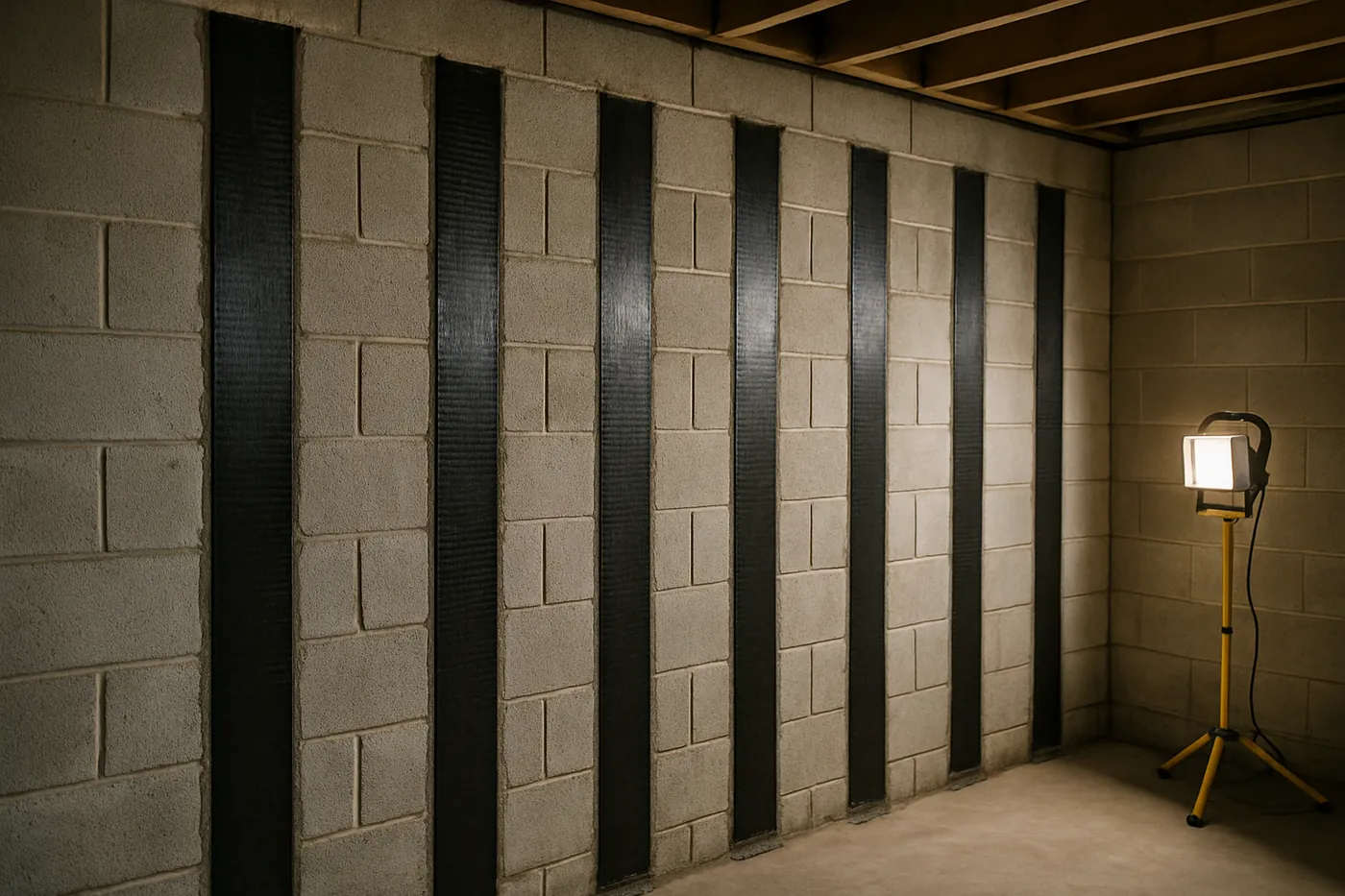
The service ring sorts by what sits under the grass. Inside and near the loop (Speedway, Beech Grove, Lawrence) the till is old news: houses have cycled on it for 60 to 100 years, and their problems are mature ones (walls that have banked decades of push, water paths worn into habit). The growth corridors (Fishers, Plainfield, Avon, Brownsburg's newer edges) layer builder fill over the till, and fill runs its own consolidation clock for the first decade or two; distinguishing fill settlement from till movement is the first diagnostic question there. Carmel and Greenwood carry both stories a few streets apart. The evaluation names which clock your lot is on, because the pier depths and the drainage designs differ.
What it means when we say we cover a town
It means we pass your request to a local specialist for an evaluation at your address, on the same terms as in Indianapolis. Ask for the same laser floor survey and crack measurements, a written scope afterwards, and travel quoted as its own line rather than buried inside the others. If a job is far enough out that travel is material, ask to see that number before you agree to anything.
Foundation work is scheduled, not urgent, so ask whether an outlying address changes the timing.
These 9 communities share ground this site covers in enough depth to describe before anyone arrives. That is the honest boundary: not a radius drawn on a map, but the places whose soil and housing stock we explain here.
Coverage questions
Is there an extra charge to come out to the outlying towns?
Ask for travel to be quoted as its own line when it applies, and to see it before agreeing to anything. It should not be folded into the price of the work, because a scope you cannot read is a scope you cannot compare against anyone else's.
My address is not on the list. Is it still covered?
Usually, and it is worth asking. The list is the area this site covers in depth, not a hard boundary. Somewhere between two of these towns is almost always a yes.
Is the first visit free, everywhere on this list?
Many local specialists don't charge for the first visit, but it depends on the company. Ask when the specialist calls, before they come out. Ask for the laser floor survey, crack measurements and written findings whether or not you go ahead, and whether or not the specialist ends up quoting the work.
Why does the price differ between towns for the same job?
Because the ground does. Each town page above explains what changes locally, and the quote follows what the visit measures at your specific address rather than an average for the region.
Get an Indianapolis foundation evaluation
Tell us what the house is doing (cracks, a bowing wall, doors out of square, a wet basement) and we'll pass your request on for an evaluation. A local specialist who works in Indianapolis will call you back.