Basement waterproofing in Indianapolis costs $2,500–$8,000 for interior drainage with a sump. On flat ground over water-holding glacial till, basements here face standing soil moisture much of the year: waterproofing is the load-bearing half of metro foundation repair, not an accessory.
Why the landscape does this, the system that answers it, and the flat-lot discharge problem nobody warns you about.
A basement in a shallow bowl
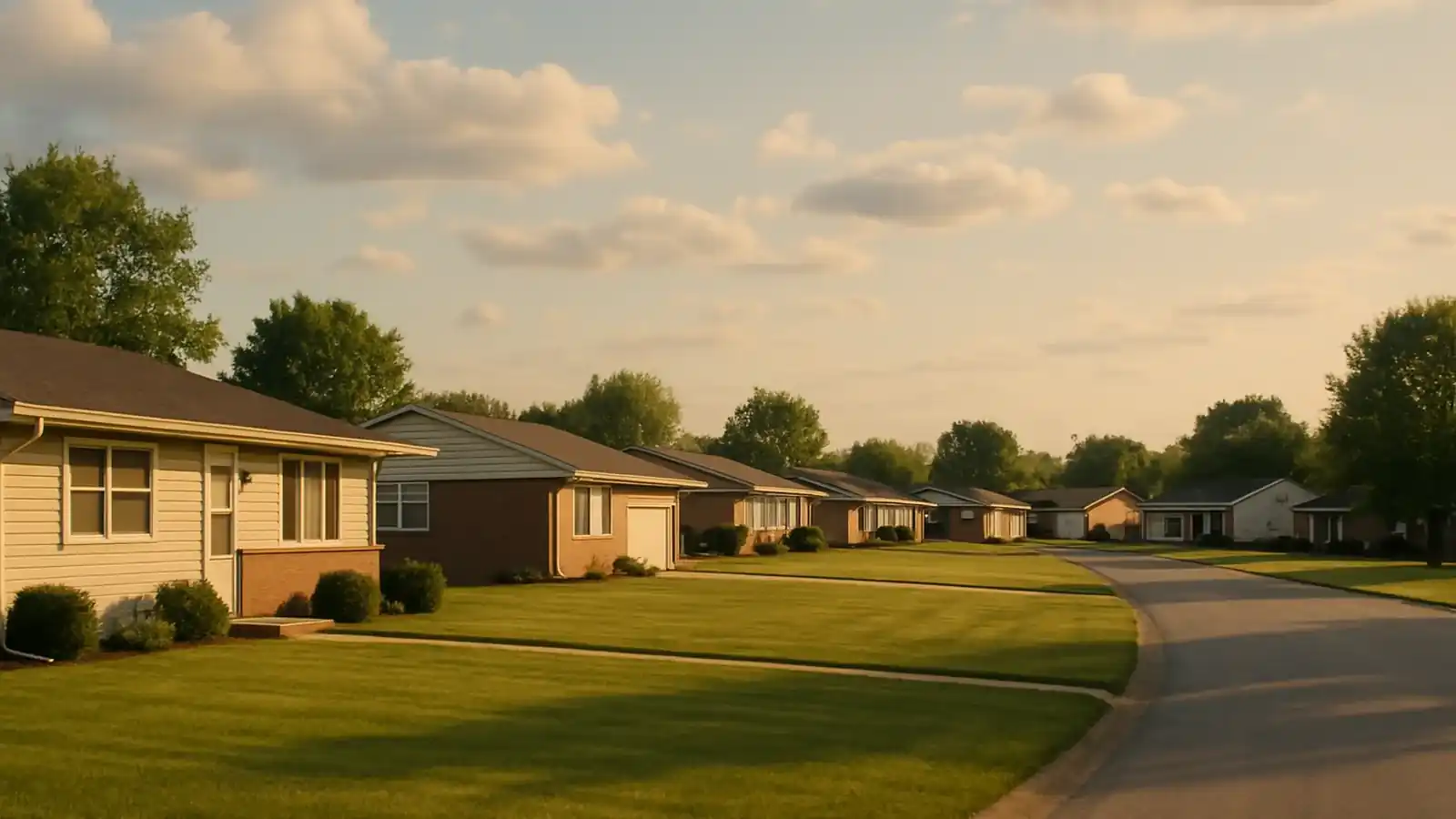
Picture the lot honestly: level ground, soil the glaciers packed tight, and a hole eight feet deep with your rec room in it. Rain that lands nearby stays nearby (till passes water slowly and flatness passes it nowhere) so the soil against the walls charges like a battery every wet month. That's hydrostatic pressure: it pushes water through cove joints, tie holes, and cracks, and it pushes on the block itself. Every wet basement here and most bowed walls are the same fact wearing two costumes.
The system that works here
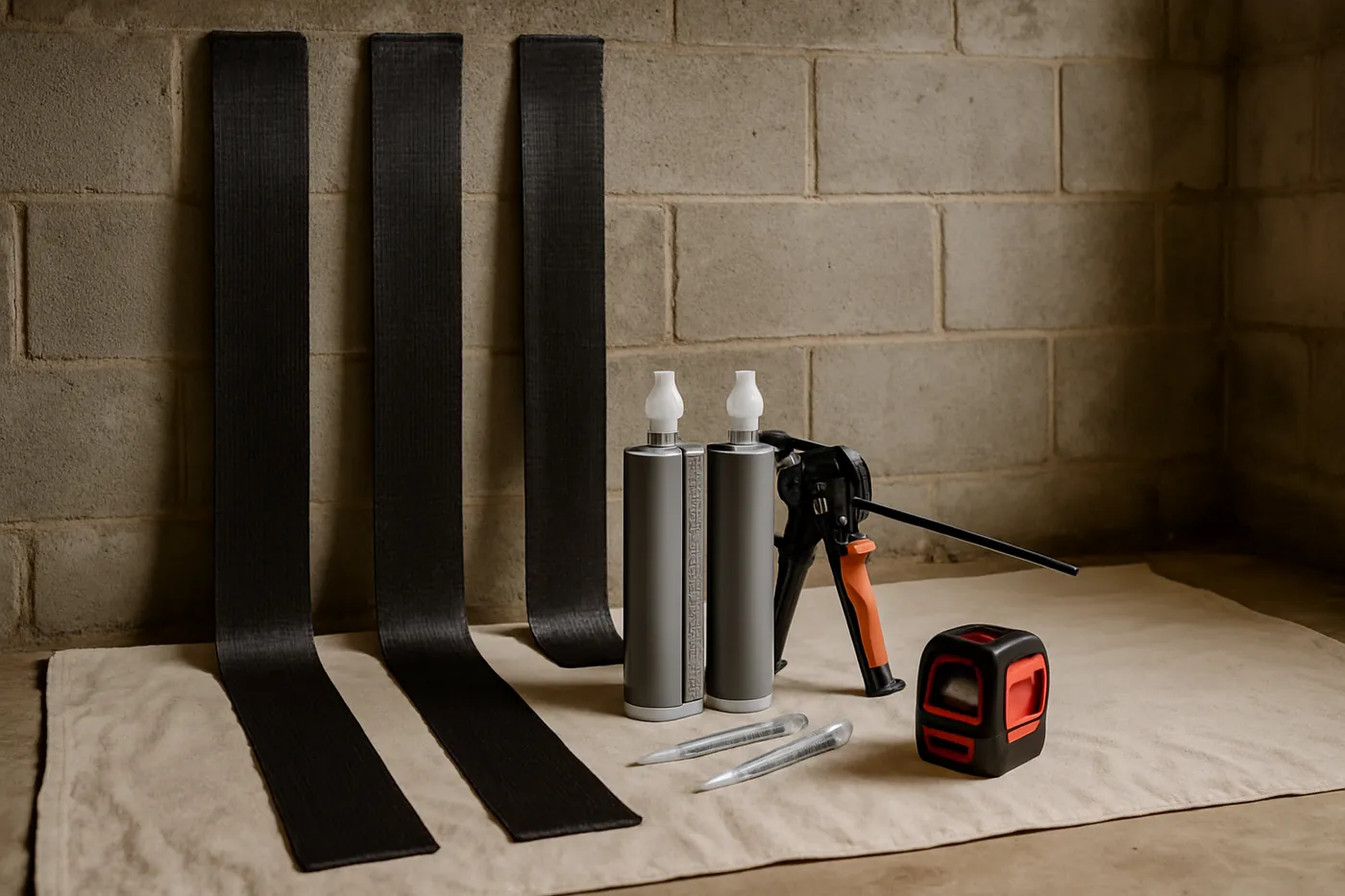
- Surface honesty first: downspouts extended far from the wall, grade rebuilt to fall away. Cheap, mandatory, occasionally the entire fix.
- Perimeter relief: interior drain channel at the footing collecting wall and under-slab water before it pressurizes.
- The sealed sump: basin, primary pump sized to the water table, battery backup, alarm. The metro's real basement drain.
- Engineered discharge: the flat-lot make-or-break: routed to daylight, dry well, or easement so ejected water cannot lap back to the foundation.
| Scope | Typical cost | When it's the answer |
|---|---|---|
| Gutter + grading correction | $300–$1,500 | Surface-fed dampness, first response |
| Interior drainage + sump | $2,500–$8,000 | Hydrostatic pressure. Most Indy cases |
| Exterior membrane | $8,000+ | Chronic wall-face leakage or paired excavation |
Water first is the whole doctrine
Ask why every Indianapolis foundation repair should be sequenced around drainage: because till reloads. Brace a wall without relieving the water and the pressure returns next spring with interest; pier a footing while the downspout keeps soaking its clay and you've bought steel a harder job. Manage the water and every other repair on this site gets easier, cheaper, and more permanent, and some become unnecessary. That's not modesty; it's how a repair gets done once.
Water that has nowhere to go: draining a till basement
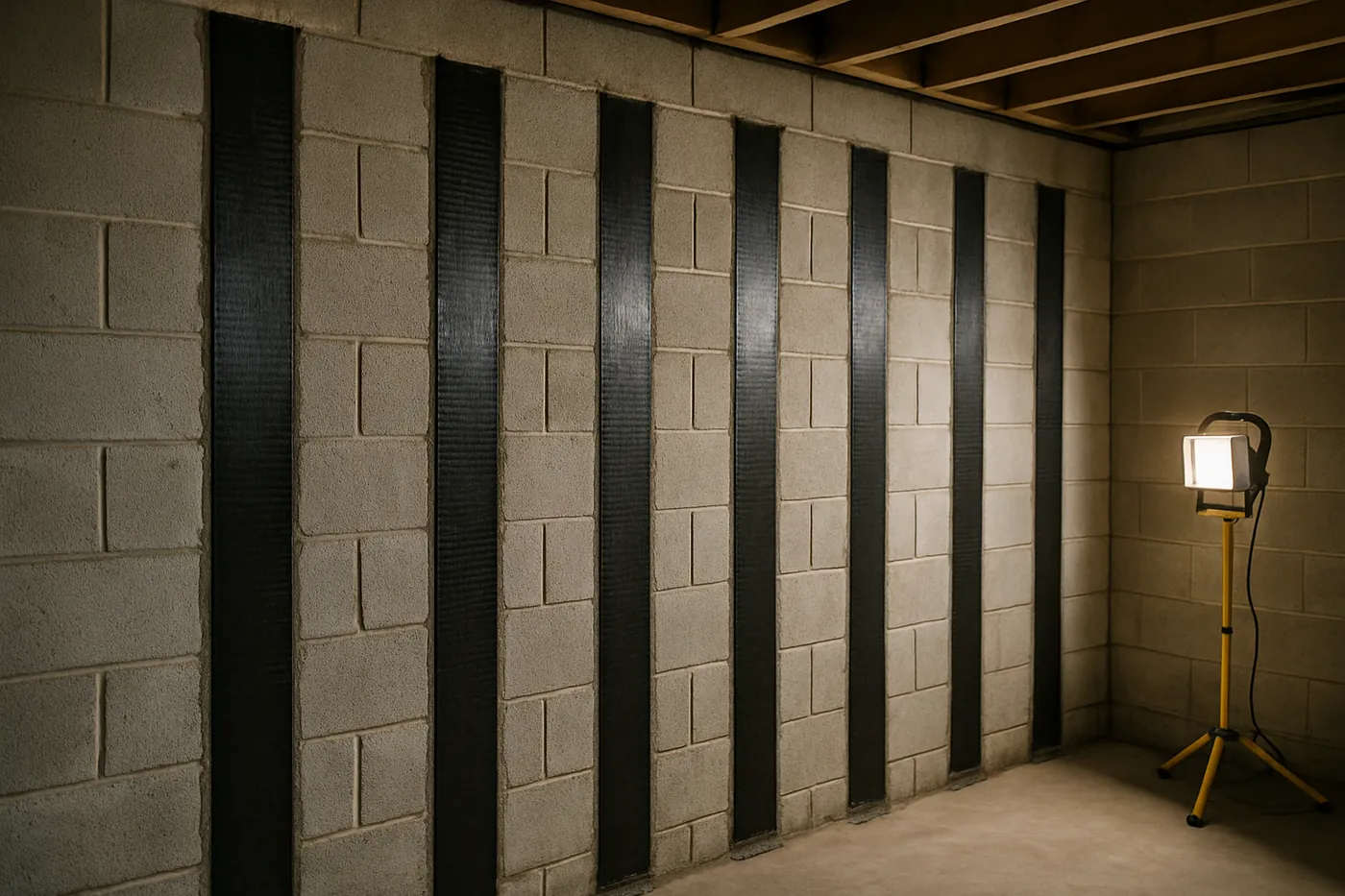
The glacial till under Indianapolis holds water near the surface by construction (dense, clay-rich, slow-draining) which means an Indy basement isn't fighting a leak so much as sitting in a soil that stays wet for days after every rain. Surface work leads every honest scope (gutters, six-foot extensions, regraded swales. The sub-$500 lines that do outsized work), but on till, the water that reaches the foundation needs an engineered exit: an interior channel at the footing, a sealed sump, and discharge routed far enough that the till can't wick the same water back.
Most systems here land at $2,500–$8,000 and go in over one to three days. The Indy detail worth paying for is discharge design: a sump that dumps six feet from the wall in January builds an ice lens against your foundation, the 9%-expansion problem, self-inflicted. Good ones route to daylight or dry wells at distance, with freeze-safe terminations, because a waterproofing system that works eleven months a year isn't one.
Waterproofing questions, straight answers
What does basement waterproofing cost in Indianapolis?
Interior perimeter drainage with a sealed sump runs $2,500-$8,000 for most metro basements. Discharge engineering (critical on flat lots) and battery backup add modestly. Grading and downspout corrections, sometimes the whole answer, run hundreds.
Why is Indy such a sump-pump town?
Flat ground over tight glacial till. Rain can't run off (no slope) or soak away fast (till resists), so the soil around basements stays loaded and the water table rides high every spring. A sump isn't a luxury here; it's the drain the landscape forgot to provide.
Where should sump water go on a flat lot?
Far enough that it can't circle back. The flat-lot failure mode is discharge water rejoining the soil at the foundation and riding the loop all spring. A good plan routes to daylight where grade allows, to dry wells or drainage easements where it doesn't, and walks the route in the rain plan before anything is installed.
Do I need battery backup on the pump?
In this metro, yes without embarrassment. The storms that fill sump pits are the storms that drop power lines, and a finished basement meets that math exactly once. A backup pump and alarm cost a fraction of one mitigation bill.
Is waterproofing worth it if the basement only dampens in spring?
Spring dampness is the till announcing pressure: the same push that bows block walls given enough years. Drainage now is pressure relief, mold prevention, and wall protection in one line item; it's the cheapest structural insurance sold on this site.
Get an Indianapolis foundation evaluation
Tell us what the house is doing (cracks, a bowing wall, doors out of square, a wet basement) and we'll pass your request on for an evaluation. A local specialist who works in Indianapolis will call you back.