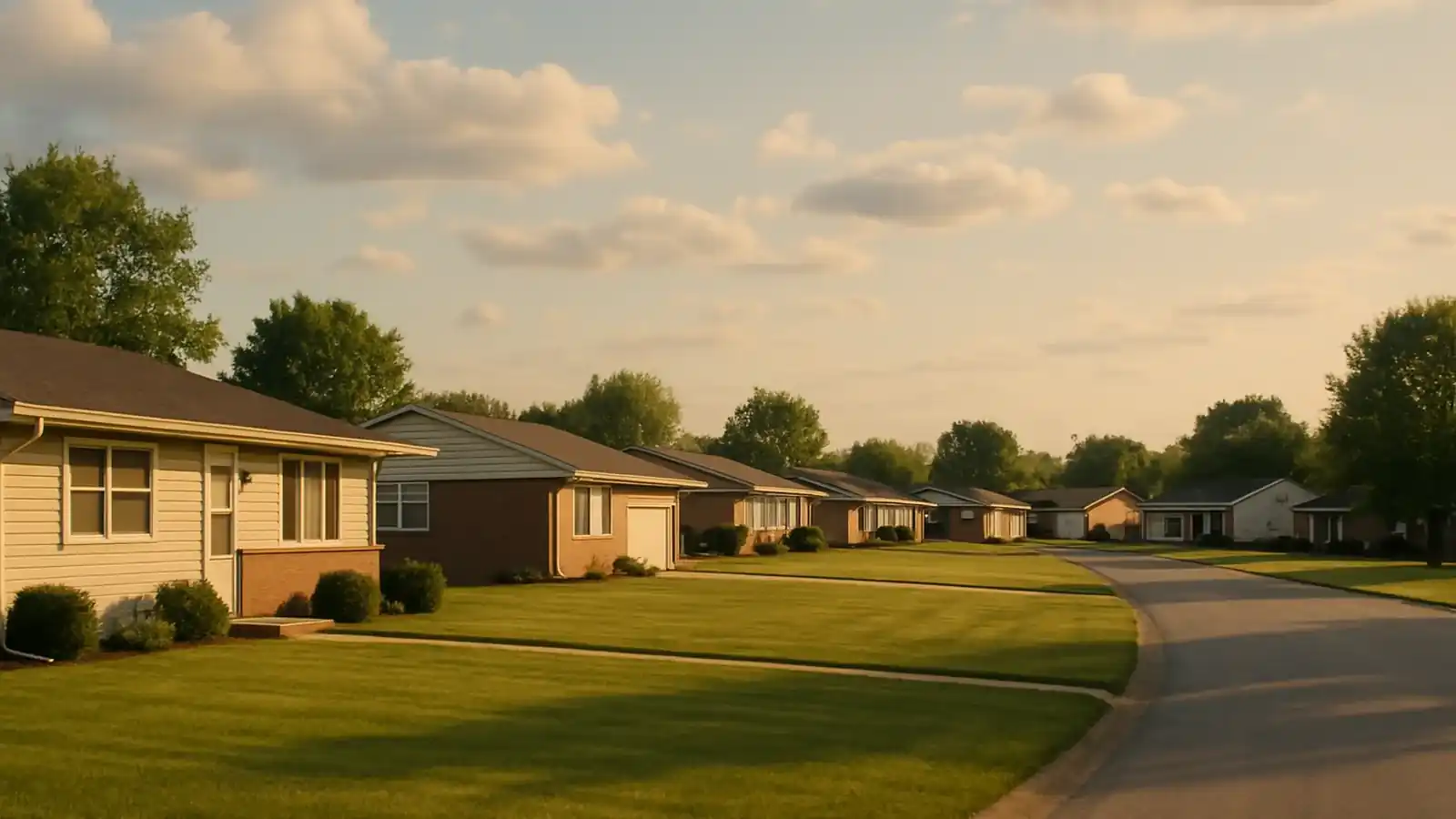
Speedway homeowners see $1,200–$3,000 per pier and $4,000–$15,000 for most full structural repairs; wall restraint from $2,500, crack work from $400. Every Speedway number follows a measured evaluation from Indianapolis Foundation Co.
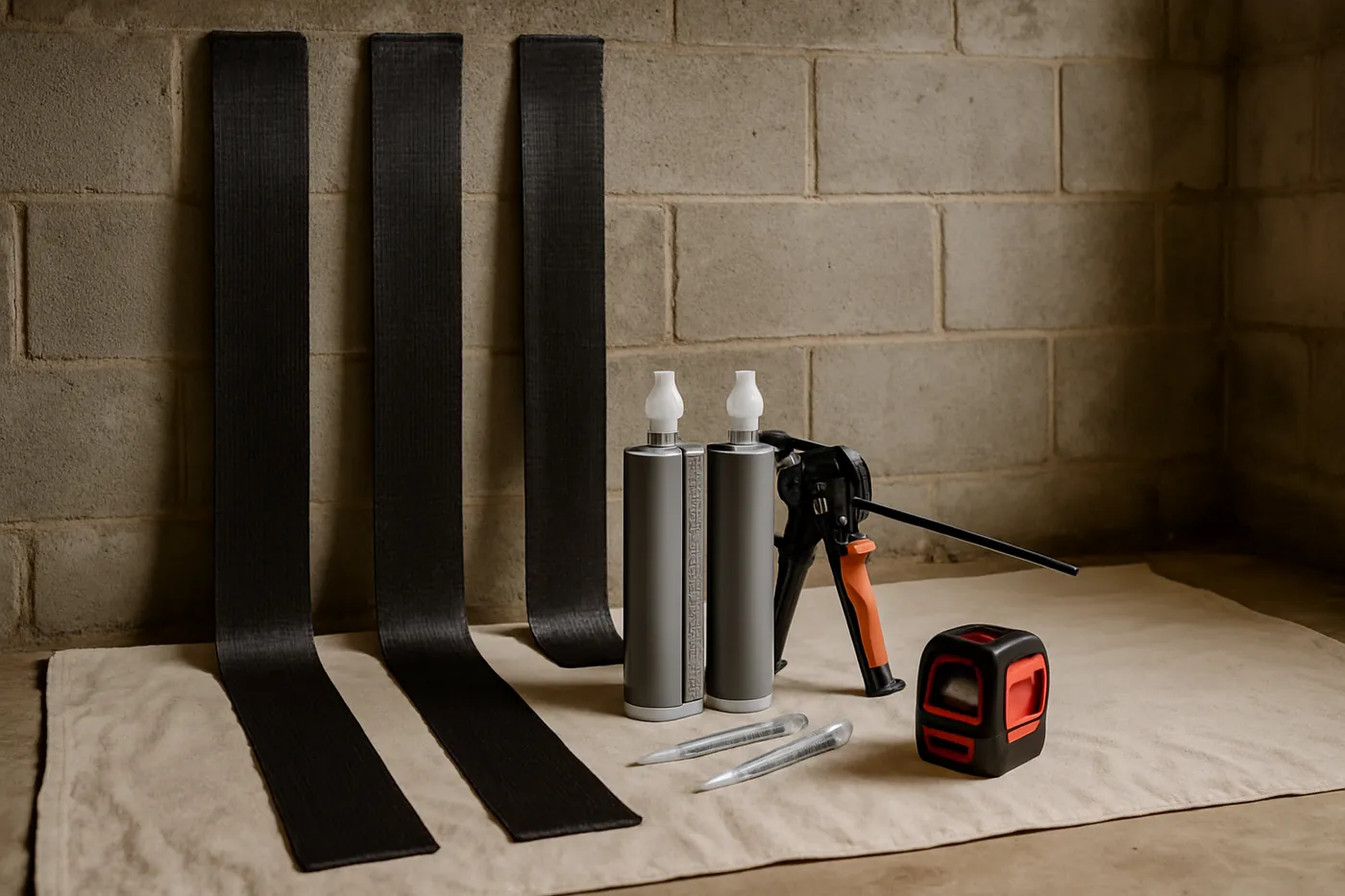
Foundations from the roaring era
Speedway's charming grid went in alongside the Motor Speedway a century ago: brick bungalows and American Foursquares on block-and-brick basements, footings set to 1920s judgment. A hundred years of till cycling later, these foundations have earned their quirks: walls a shade out of plumb, mortar joints thinned by old moisture, floors that found their own level decades ago and mostly stopped. The craft question in Speedway isn't whether a century house moved; it's which movement is finished history and which is still running.
Working on houses with biographies
Good evaluations here lean on the distinction: laser levels and crack gauges separate settled character from active settlement. Active movement gets modern answers fitted to old fabric: piers staged gently under brick, steel restraint where straps can't bond to irregular masonry, repointing only after stabilization. Finished movement gets left with its dignity, in writing. Century houses deserve evidence before intervention; ask for both, in that order.
Asked in Speedway
My Speedway bungalow's floors slope but nothing's cracking. Do I have a problem?
Possibly a finished one. Many century homes settled early, found equilibrium, and have been stable for decades: slope without fresh cracking, sticking, or widening often reads as history, not activity. The measured baseline settles it: date-stamp the numbers, recheck in a season, and movement either shows or it doesn't.
Can modern piers even go under 1920s brick?
Yes. Push piers actually favor heavier masonry, using its weight to drive to refusal. The care is in staging: small lifts, monitored courses, mortar respected. Done right, the house doesn't notice the surgery, just the stillness after.
Do race-week vibrations damage Speedway foundations?
Not measurably: engine vibration attenuates fast in soil, and a century of Mays hasn't produced a vibration-failure pattern in the town's housing. What the bungalows actually fight is ordinary: till moisture cycles, aging gutters, and shallow 1920s footings. The evaluation reads those, and blames the track for nothing the instruments can't show.
Are Speedway's brick bungalows worth repairing versus selling as-is?
Almost always worth it. These are structurally honest houses (solid brick, real lumber) whose problems are foundation-age problems, not construction-quality ones. A stabilized bungalow with documented work holds value in a walkable historic town; an as-is sale hands the repair margin to a flipper. Ask for the math in a written scope.
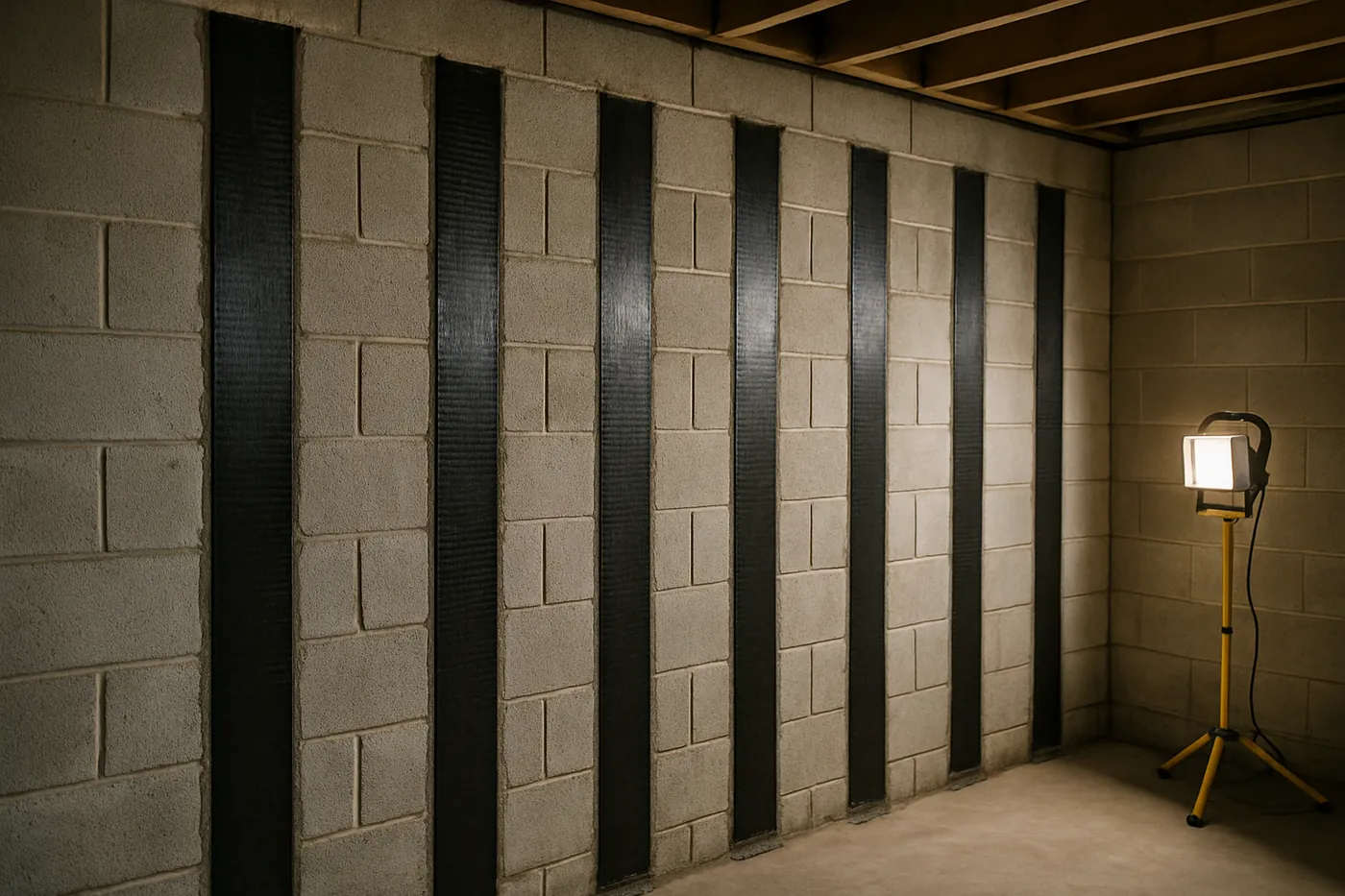
Getting eyes on a Speedway foundation
A local specialist who serves Speedway calls you back to set a time. Book below or call. Already holding another bid? Bring it; ask the specialist for a scope that shows its measurements, which makes comparing fast. The cost guide explains every number, and service areas covers the rest of the metro.
Get an Indianapolis foundation evaluation
Tell us what the house is doing (cracks, a bowing wall, doors out of square, a wet basement) and we'll pass your request on for an evaluation. A local specialist who works in Indianapolis will call you back.